
Choosing a car isn’t just about price tags or what looks good in the driveway. It’s really about how it fits into your day-to-day life. School runs, weekend getaways, long commutes in Aussie traffic – the wrong set of wheels can turn all that into a headache pretty quick. And yeah, plenty of folks realise this after they’ve already signed the papers. That’s where things go sideways with second hand cars.
A cheap deal can look tempting, but if the car doesn’t suit your lifestyle, it becomes expensive in other ways. Fuel, repairs, comfort issues… it all adds up.
1. Daily Driving Needs
Think about how you actually drive. City crawling in Melbourne or Sydney? Or long highway stretches out in WA? Small hatchbacks might be perfect for tight parking, but not great for long road trips. Bigger SUVs feel comfy but chew more fuel. A lot of buyers of second hand cars skip this thinking step and regret it later.
2. Running Costs & Fuel Use
Don’t just look at purchase price. Insurance, servicing, and fuel matter big time. Some used vehicles look like a bargain until you’re stuck at the servo every few days. So always check real-world fuel economy, not just brochure numbers.
3. Family Size and Space
Got kids, surfboards, prams, or a dog that thinks it owns the back seat? Space matters more than you think. Cramped rides get old fast. A proper fit means less stress on long drives and less mess inside the car, too.
4. Reliability and Service History
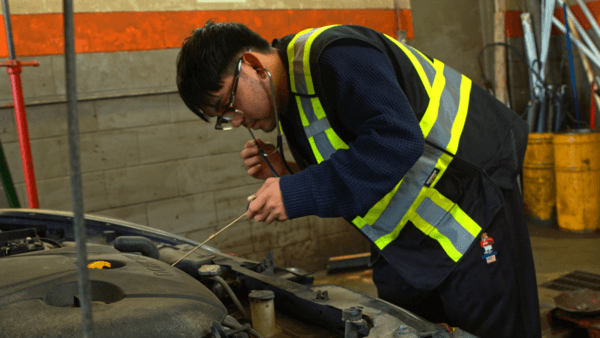
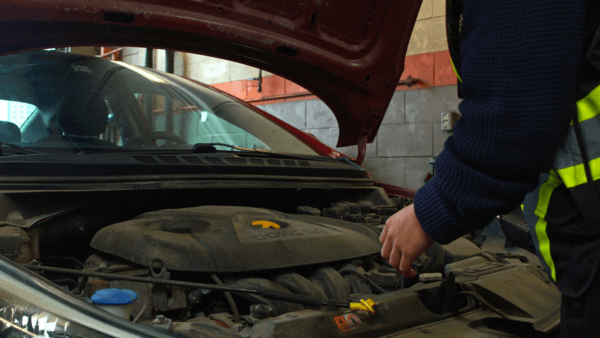
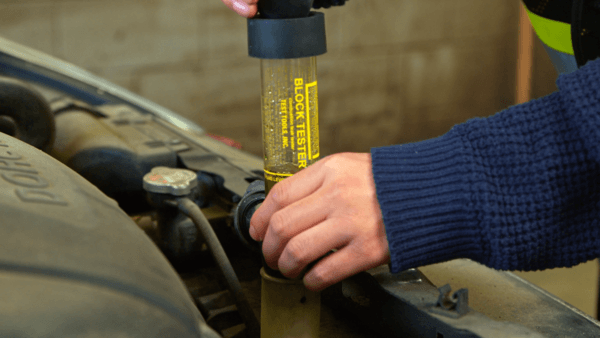
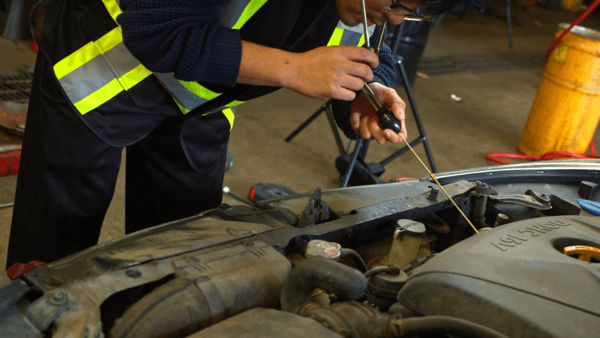
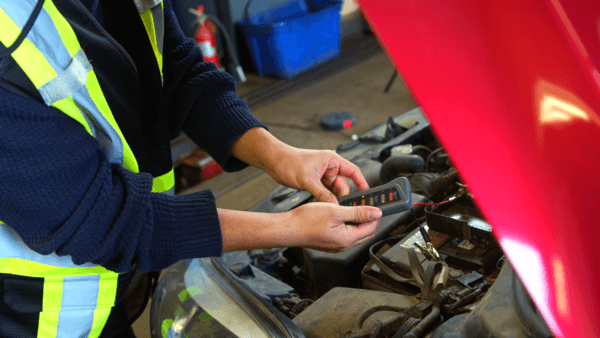
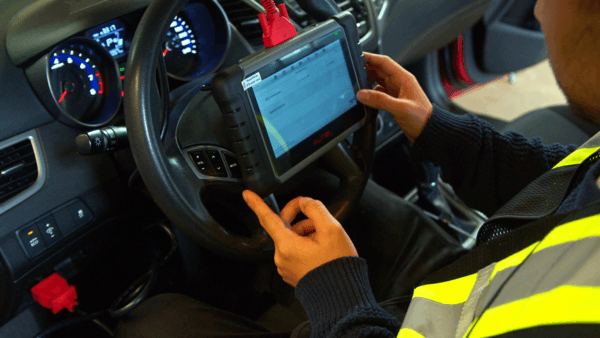
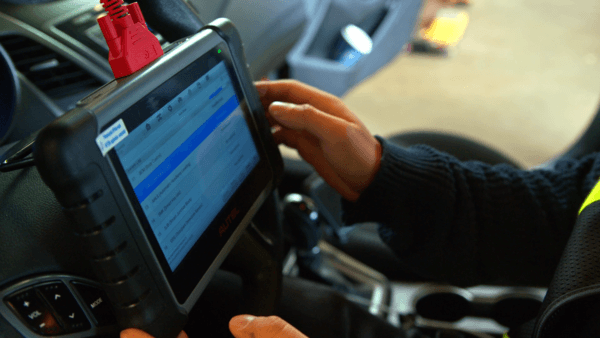
This is where people get caught out. A shiny exterior doesn’t mean much. Always check logbooks, past repairs, and accident history. A proper pre purchase car inspection can save you from buying someone else’s problem.
5. Lifestyle vs Ego Buy
Here’s the simple truth. Don’t buy for looks alone. That sporty coupe might feel fun for a week, but not when you’re doing grocery runs or school pickups. Be honest about your lifestyle needs.
Also Read – 3 Most Overlooked Maintenance Tasks in Used Cars
At the end of the day, picking from second hand cars is about smart choices, not rushed ones. That’s where we step in. Our team offers detailed inspections across Australia, checking over 300 points to help you make data-backed decisions.